

Springtail Care
Ceratophysella isabellae and Yuukianura aphoruriodes are not the standard “tropical white springtail” often sold for bioactive terrariums. They are more specialist, moisture-loving Collembola that do best in stable, damp, organic setups with plenty of decaying material and gentle feeding. Treat them as small detritivores first, not as disposable clean-up tools, and they become much easier to keep.
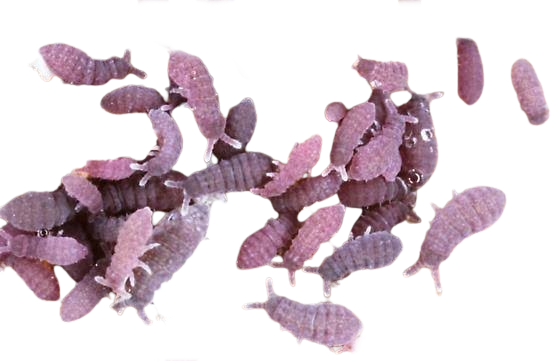
Understanding these two springtail species
Springtails are tiny hexapods, not insects in the strict modern sense, and most species feed on fungi, algae, bacteria, pollen, spores, and decaying organic matter. In captivity, they play a useful role by breaking down waste and competing with mould.
These two species need broadly similar care, but they are not identical in behaviour.
Species | General character | Best use |
Ceratophysella isabellae | Often kept as a damp, surface-active springtail that can graze well on fungi and soft foods | Small bioactive clean-up crew, culture species, feeding tiny invertebrates |
Yuukianura aphoruriodes | A moisture-loving species often associated with rich organic material, leaf litter, and decayed wood | Display culture, specialised bioactive setups, diversity in microfauna colonies |
Species-level springtail care information can be limited, so observation matters. If the animals gather on the surface, feed, and multiply, the setup is working. If they climb the sides, stop breeding, or disappear into saturated soil, something needs changing.
The best enclosure setup
A springtail enclosure does not need to be large. A small ventilated plastic tub, deli cup, or glass culture jar can work. The goal is to create a damp microhabitat with airflow, food, and safe surfaces for grazing.
For a starter culture, use a container of around 250 ml to 1 litre. Larger containers are fine, but small cultures are easier to monitor. The lid should have tiny ventilation holes. Cover larger holes with fine mesh if mites or fungus gnats are a concern.
A good setup includes:
A moisture-holding base
Decayed wood or bark
Leaf litter
A feeding surface
A little airflow
No standing water unless using a charcoal-based method
For these species, a natural substrate is usually better than plain charcoal alone. Charcoal cultures work well for many tropical springtails, but Ceratophysella isabellae and Yuukianura aphoruriodes tend to benefit from a more organic setup.
A simple substrate mix
Use a shallow layer, around 2 to 5 cm, of the following:
Sterilised or well-aged leaf litter
Rotting hardwood
Fine coco fibre or peat-free compost
A little sphagnum moss
Small bark chips
Avoid fresh resinous softwood, fertilised compost, pesticides, and scented products. If collecting leaves or wood from outdoors, choose a clean area away from roads, treated gardens, and dog-walking paths. Many keepers bake or freeze collected material to reduce pests, though this can also reduce useful fungi. A safer middle ground is to collect from clean sites and quarantine the material before use.
Charcoal can still help
A few pieces of horticultural charcoal or lumpwood charcoal can be added to the surface. They give springtails a place to graze, hide, and gather during feeding. Rinse charcoal well before use, and avoid barbecue briquettes, as they may contain additives.
Humidity and moisture
Moisture is the most important part of springtail care. Both species need a humid enclosure, but “humid” does not mean flooded.
Aim for a substrate that feels like a wrung-out sponge. It should be damp to the touch but not dripping wet. When squeezed, it may release a slight sheen of moisture, not a stream of water.

Signs that moisture is right:
Springtails move across the surface and under bark
Food disappears gradually
Light fungal growth appears but does not overwhelm the tub
Condensation appears lightly, not heavily, on the sides
Signs the culture is too dry:
Springtails gather under the dampest moss or wood
They climb the sides or lid
Feeding slows down
Numbers fall over time
Signs the culture is too wet:
The substrate smells sour or swampy
Springtails sit above the substrate and avoid lower layers
Food rots before it is eaten
Mites and fungus gnats increase
Use dechlorinated, rain, or reverse osmosis water if possible. In much of the UK, tap water can be hard, and mineral build-up may affect small cultures over time. If using tap water, let it stand before use and watch for crusting on surfaces.
Temperature and placement
A practical range is around 22-26°C. Short periods outside this range may be tolerated, but heat is a bigger risk than mild coolness. Avoid placing cultures on heat mats, near radiators, in direct sun, or on windowsills.
Cooler cultures often breed more slowly. Warmer cultures may grow faster at first, then crash if the substrate dries or food spoils. Stability matters more than speed.
Good placement:
A shaded shelf
A ventilated cupboard
An invert room away from direct heat
A cool invertebrate rack
Poor placement:
Sunny windowsills
Heated vivarium tops
Damp rooms with poor air movement
Areas sprayed with cleaners or aerosols
Diet and feeding
Springtails eat microscopic foods in nature. In culture, they do best on a mix of fungi, decaying plant material, and small amounts of prepared food.
Good staple foods include:
Brewer’s yeast
Nutritional yeast
Mushroom powder
Fish food flakes in tiny amounts
Boiled rice grains
Soft vegetable scraps
Pollen powder
Decaying hardwood and leaf litter
Feed lightly. This is where many cultures go wrong. A colony of tiny animals needs far less food than it looks. A pinch of yeast or one grain of cooked rice can feed a small culture for days.
For Ceratophysella isabellae, light surface feeding often works well. Offer food on a piece of bark, charcoal, or leaf so you can remove it if it spoils.
For Yuukianura aphoruriodes, lean more heavily on natural foods such as leaf litter, decayed wood, and fungal growth. It may not gather on prepared foods as boldly as faster surface-feeding species, so do not assume nothing is happening just because the food is not covered.
Feeding rhythm
For small cultures, feed once or twice a week. For larger, established cultures, feed as needed.
Use this rule:
If the last food is still visible and going mouldy, do not add more. Remove the old food and wait.
A little mould is normal and often useful. Thick, fuzzy mould that covers the surface is a sign of overfeeding, poor airflow, or both.
Breeding and colony growth
Springtails breed by laying eggs in damp, protected places. You may not see eggs easily, as they are tiny and often hidden in the substrate. Culture growth is usually judged by the number of visible juveniles and how quickly food disappears.
To encourage breeding:
Keep moisture stable
Provide leaf litter and rotting wood
Feed small amounts often
Avoid disturbing the substrate
Keep temperatures steady
Split strong cultures before they become overcrowded

A new culture may take several weeks to settle. Do not keep opening it, stirring the substrate, or changing the setup. Springtails often need time to spread into the leaf litter and establish feeding zones.
Once the culture is thriving, start a backup. This is one of the best habits in springtail keeping. Split a portion of substrate, wood, and visible springtails into a fresh container. If one culture crashes, the other protects your line.
How to split a culture
Prepare a new tub with the same substrate mix. Add damp leaf litter and a small piece of food. Then transfer:
A spoonful of active substrate
One or two pieces of wood or bark
A piece of moss if springtails are gathered in it
Visible individuals from the surface
Keep the new culture slightly underfed for the first week. This encourages the animals to graze naturally and reduces mould.
Using them in bioactive enclosures
Both species can work in bioactive setups, but they should be matched to the enclosure.
Ceratophysella isabellae is likely the more practical choice for many keepers who want a visible clean-up crew. It can help process small amounts of waste, leftover food, and fungal growth in damp microhabitats.
Yuukianura aphoruriodes is better treated as a specialist microfauna species. It may be more valuable in a rich, leaf-litter-heavy setup than in a dry or heavily disturbed enclosure.
Good uses include:
Damp amphibian enclosures
Cool forest-style terrariums
Isopod tubs with moist retreats
Millipede and beetle larvae setups
Display cultures for observing microfauna
Feeding very small predators or young invertebrates
Do not rely on springtails to fix poor hygiene. They help with small organic waste, but they cannot safely process large amounts of rotting food, faeces, or dead animals. Remove waste first, then let the springtails handle the residue.
Avoid using these springtails in dry desert setups. They may survive in a damp corner, but they are unlikely to thrive.
Common problems and fixes
Springtail cultures are simple, but small changes can have a big effect.
Problem | Likely cause | Fix |
Culture smells sour | Too wet, too much food, poor airflow | Remove spoiled food, add dry leaf litter, increase ventilation slightly |
Springtails vanish | Dryness, heat, lack of food, disturbance | Rehydrate slowly, move to a cooler place, add leaf litter |
Heavy mould takes over | Overfeeding or stale air | Feed less, remove old food, add more ventilation |
Mites appear | Excess food or imported substrate | Reduce feeding, remove spoiled areas, start a clean backup |
Fungus gnats appear | Wet organic substrate and exposed food | Use finer ventilation mesh, reduce wet food, remove larvae if seen |
Slow breeding | Cooler temperatures, low food, young culture | Wait, keep stable, feed lightly and regularly |
A small number of mites is common in organic cultures. They become a problem when they outcompete the springtails or swarm food. Prevention is easier than removal, so keep feeding modest and avoid wet, protein-rich leftovers.
Handling and moving springtails
Springtails are delicate. Avoid touching them directly. Move them with substrate, bark, moss, or a soft paintbrush.
To seed a terrarium, place a small amount of culture substrate under leaf litter near a damp area. Add a little rotting wood or moss with it. Do this after the terrarium has been moistened and planted, not into a dry, newly assembled enclosure.
For charcoal or surface transfers, you can tap springtails gently into the target enclosure. Take care with condensation, as tiny springtails can stick to wet plastic and drown in droplets.
Safe keeping and responsible use
Never release captive springtails outdoors. Even if a species appears harmless, captive cultures can contain hitchhikers, fungi, mites, or microbes from other setups. Keep spare cultures contained, and freeze unwanted substrate before disposal if there is any risk of live animals spreading.
Label cultures clearly with the species name and date started. This helps avoid accidental mixing. Mixed springtail cultures can be useful in some bioactive systems, but they are poor for maintaining pure species lines. Faster species may outcompete slower ones.

A simple care routine
A steady routine is better than constant adjustment.
Weekly routine:
Check moisture and mist lightly if needed
Remove spoiled food
Add a tiny amount of fresh food
Watch for mites, gnats, or sour smells
Leave the substrate undisturbed
Monthly routine:
Add fresh leaf litter if the old leaves break down
Top up rotting wood if needed
Start a backup from strong cultures
Clean the outside of containers so you can see inside
The best sign of success is quiet consistency. You should see springtails of different sizes, gentle feeding activity, and no strong smell. The substrate should look alive, but not dirty.
Final takeaway
Ceratophysella isabellae and Yuukianura aphoruriodes do best in damp, organic, cool-to-temperate cultures with leaf litter, decaying wood, careful feeding, and stable humidity. Keep them moist but not flooded, feed far less than you think, and split healthy cultures before you need a backup.
Treat them as living microfauna rather than a clean-up product, and they will reward you with steady breeding, healthier bioactive systems, and a fascinating look at the small life that keeps forest floors working.


Comments