
Dead Leaf Katydid Care
Updated: Aug 13
Typophyllum trapeziforme. Written by Curtis Lakin
Basic care information on the dead leaf katydid - Relatively new to the hobby
Origins: French Guiana.


Temperature
22-28 C daytime,
16-24 C night time
Thrive in high humidity

Lighting
Well lit enclosures.
Avoid direct sunlight

Housing
A medium sized enclosure like 30 x45x45cm for a colony is recommended for this species. The use of glass, or plastic enclosures with minimal ventilation provided by mesh, since a close humid environment suits them well.

Feeding
This species feeds mainly on Buddleia and is likely to gain a benefit from the toxins in this plant. Whilst it does not take bramble or privet, other common plants like figwort and ribwort plantain are readily taken. If using buddliea stems in a water reservoir, change the water regularly since Buddleia will cause the water to become fouled quite quickly. Eggs are best incubated directly in the wood or oasis and incubation usually takes less than 3 months.

Breeding
Females prefer rotten wood for egg laying, but an alternative which works well is a block of dampened florists oasis.

General
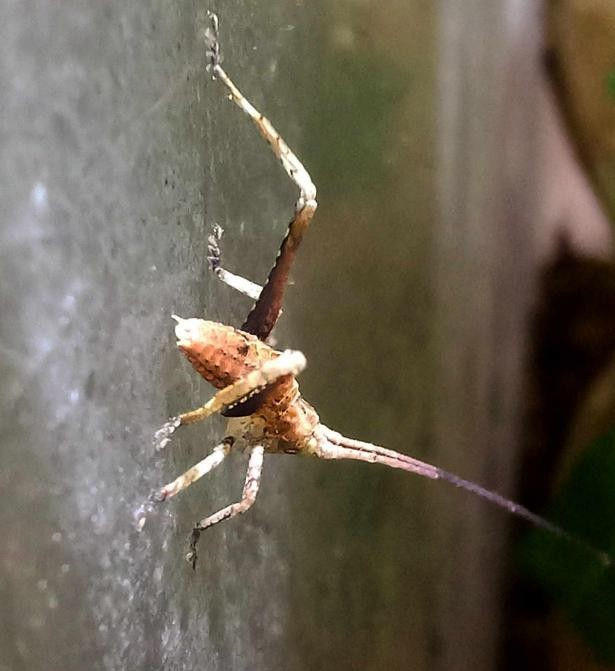
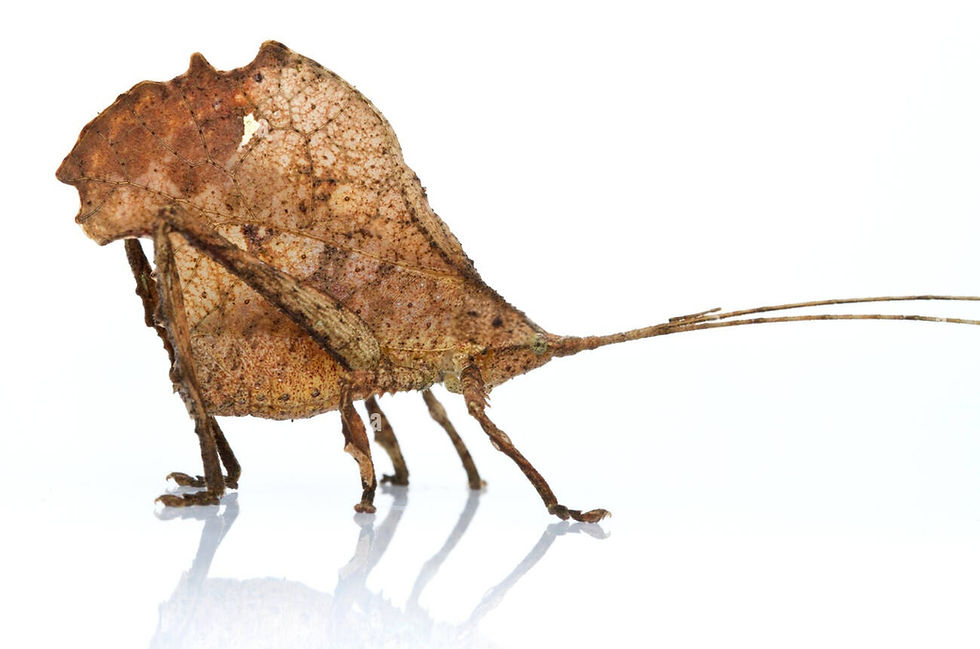
The species has a wing form which is quite variable, but this is somewhat dependent on locality origin. Males of the species make a soft quiet and pleasant sounding chirp call.


Comments