

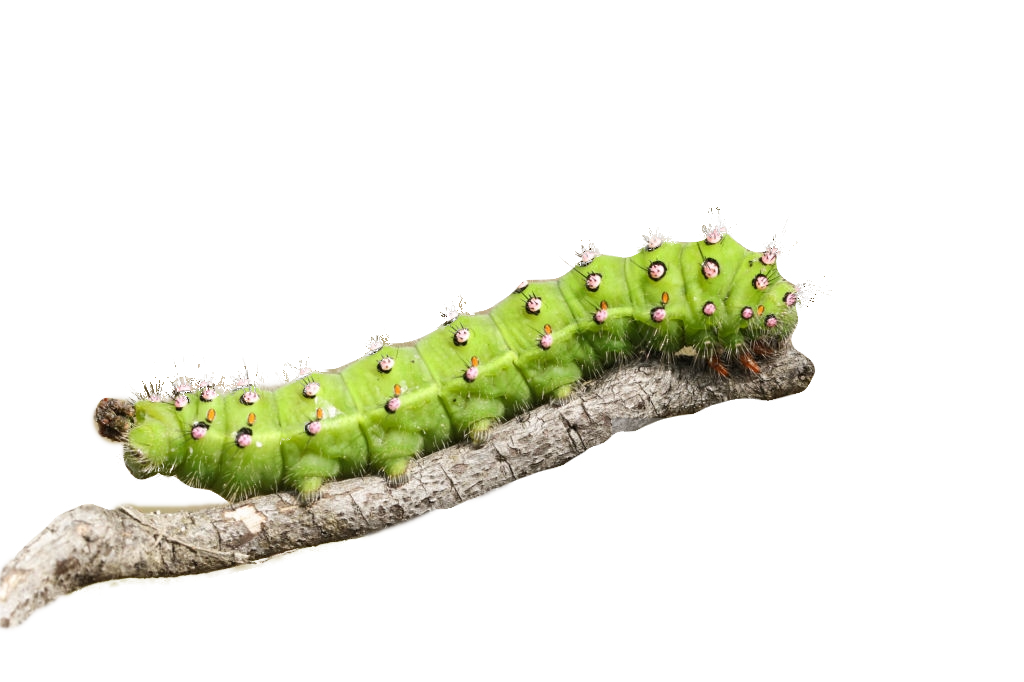

Saturnia pavonia, commonly known as the Small Emperor Moth, is a striking species of moth found across Europe and parts of Asia. It is the only member of the Saturniidae family native to the British Isles. Males are particularly eye-catching with their vibrant reddish-brown wings and prominent eye spots, which help deter predators. Females are larger and more subdued in color. These moths are typically active in spring, with males flying during the day in search of females, who tend to be more nocturnal. Their caterpillars feed on a variety of shrubs, including heather and bramble.
Overwintering cocoons
The species has a single generation per year, with adults flying in spring and larvae feeding through summer. When fully grown, the caterpillar spins a light brown, papery, pear‑shaped cocoon close to the ground. Inside this, it pupates and enters a winter diapause. This is the normal, essential part of its life cycle.
If you are rearing S. pavonia, the cocoon must experience a cool winter period to complete development normally. Key points:
Do not keep cocoons warm year‑round — they require a cold season to break diapause.
A natural UK winter or an unheated outbuilding is ideal.
Keep them dry but not desiccated, with good airflow.
Emperor Moth (Saturnia pavonia) - Group of 5
Size: Small Caterpillars - Group of 5
Status: Captive Bred
Range: British Isles
Temperature 18-24 C Humidity 60-75% Diet Bramble, Hawthorn, Hazel, Willow
Fresh food 2-3 times per week
Enclosure L1-L3 small plastic container
L3-L5 move to net cage for maximum airflow
Adults - Large netcage with branches of host plan
for laying eggs