

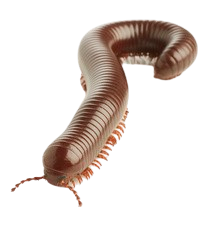

The Burmese Beauty Millipede, despite its exotic name, is actually a striking Tanzanian species known in the hobby as Spirostreptus sp. 1. Its common name comes from the soft olive‑green and orange banding that gives it a “jewel‑like” appearance, making it one of the most attractive medium‑sized millipedes available to keepers. Calm, slow‑moving and gentle, it’s a species that suits both beginners and experienced enthusiasts who appreciate a visible, active millipede that spends plenty of time exploring the surface of its enclosure.
In the wild, this species lives in warm, humid forest habitats rich in decaying wood and leaf litter, and it thrives in captivity when given similar conditions. A deep, nutritious substrate packed with rotting hardwood, leaf litter and a reliable calcium source allows them to feed naturally and grow steadily over several years. They tolerate a range of humidity but do best with a consistently moist lower layer and a slightly drier surface, with temperatures around the mid‑20s Celsius. Their feeding behaviour is classic spirostreptid: slow, methodical grazing on decomposing material, with occasional interest in soft vegetables such as cucumber or squash.
Part of their appeal is their steady, predictable temperament. When disturbed they curl tightly, but once settled they are confident, visible animals that make excellent display species. Their manageable adult size — usually around 12–15 cm — means they fit comfortably in medium enclosures without the space demands of the giant African species. Long‑lived, hardy and beautifully patterned, the so‑called Burmese Beauty remains a favourite in the hobby for good reason: it combines ease of care with genuinely eye‑catching looks.
Burmese Beauty Millipede (Spirostreptus sp 'burmese beauty')
Specifications
Size: Medium unsexed
Status: Captive Bred
Range: Tanzania
Care information
Temperature 23-25 C Humidity 65-80% Diet Rotting wood, leaf litter, cuttlefish
Soft fruit and mushrooms
Enclosure Terrestrial
30-45cm length for small group
10-15cm depth of substrate